Museum Label
The wall label beside the object: tiny precise type, vast whitespace, catalogue numbers.
This style
$9$19
One-time, no subscription · instant download · client use · 7-day refund before download
The idea
Designed like the small printed label next to an object in a natural history or design museum. Type is set small — really small — and precisely, with accession numbers, materials and dates in tabular mono. Everything else is empty wall, so the single photographed object feels precious.
Museum Label is built on the smallest piece of museum design: the object label. It borrows from natural history collections, design museum wall texts and archival catalogue cards. Type is deliberately small and precise — the largest heading is only 56px and most text sits at 13–15px — while the object image and empty space do all the visual work. Accession numbers, dates, materials and dimensions are set in tabular mono, giving every page the authority of a register.
Principles
- Small type, large space: let whitespace make objects precious.
- Every item has an accession number, date, material and dimension.
- Describe, don't sell: write like a registrar.
- One object image per view, photographed straight-on on neutral grey.
- No motion beyond a link underline.
Motion
Almost nothing moves: content is simply there, like an object in a case. Links underline in 150ms and the object photograph swaps to its reverse side on hover.
Do & don't
Do
- ✓ Give every object an accession number in DM Mono.
- ✓ Write dimensions in millimetres with tabular figures.
- ✓ Keep the hero headline under 56px.
Don't
- ✕ Don't use large display type.
- ✕ Don't add animation beyond link underlines.
- ✕ Don't use promotional language or superlatives.
+ 3 more of each, and component rules, in the full DESIGN.md.
What's in the DESIGN.md
- 01Overview & principles
- 02Colors (tokens + proportions)
- 03Typography (families + 12-role scale)
- 04Layout & spacing scale
- 05Elevation & depth
- 06Shapes & radii
- 07Motion (easing, durations, signature)
- 08Imagery + generation prompt
- 09Components (button, card, nav, input, badge)
- 10Do's and don'ts
- 11Responsive behaviour
- 12Iteration guide + agent checklist
Plus theme.css (Tailwind v4 @theme), tokens.json (W3C) and the preview page source — 363 lines of DESIGN.md in total.
More like this
All Swiss & Minimal →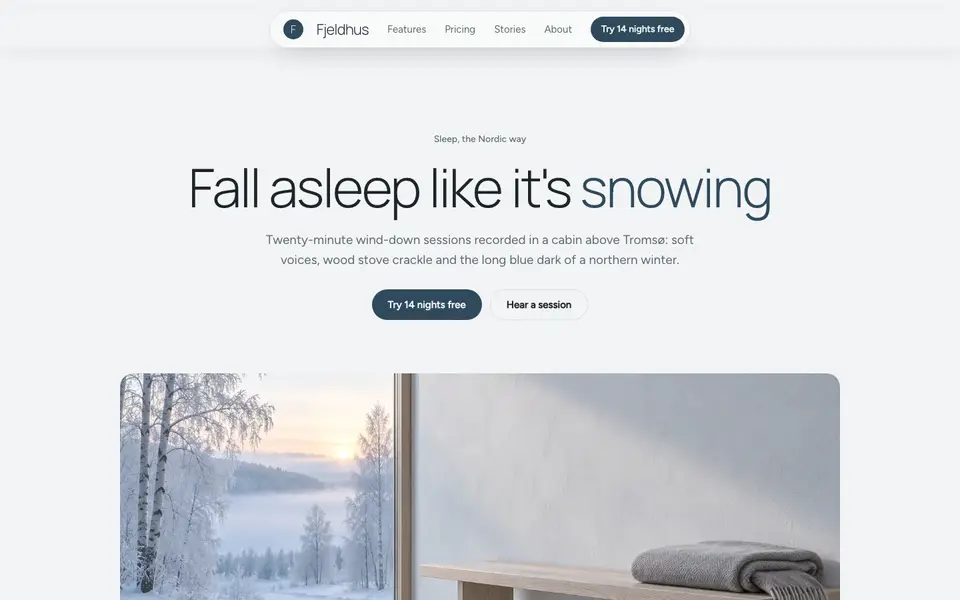
Nordic Calm
No. 031Scandinavian winter light: cool greys, frost blue, soft corners and a lot of air.
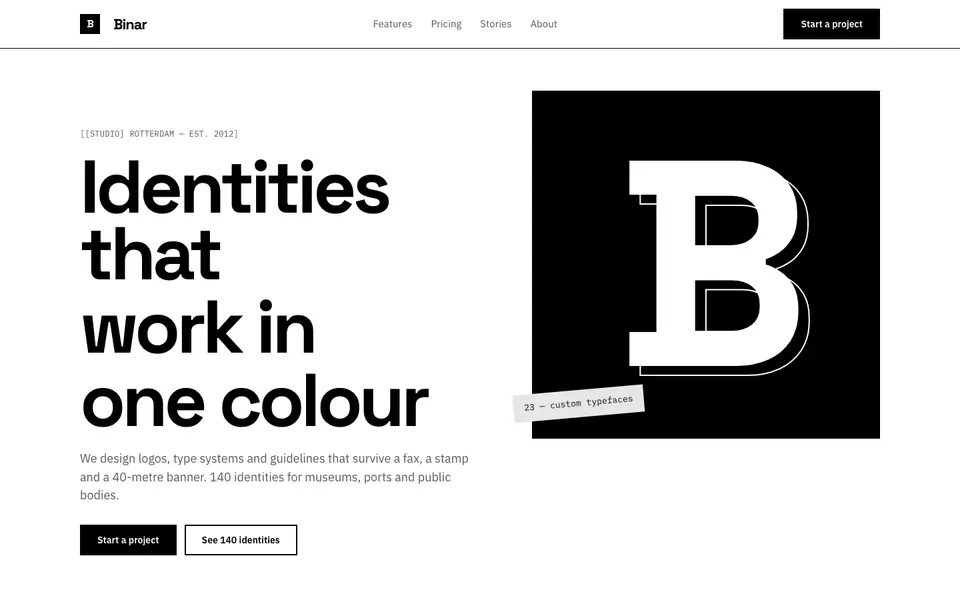
Pure Mono
No. 032Black on white, nothing else: a grotesk, thick rules and a bento of pure contrast.
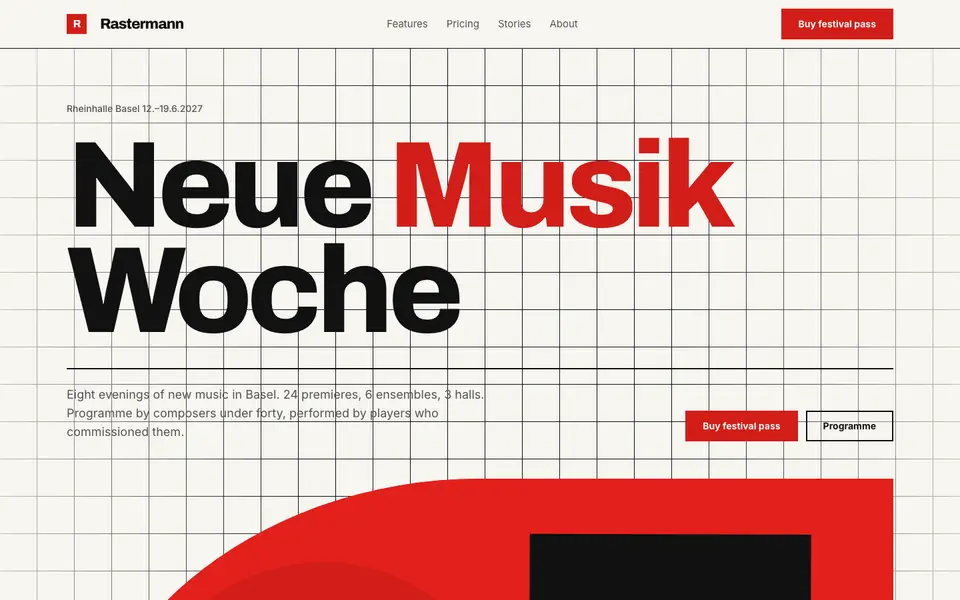
Swiss Poster
No. 033An International Style concert poster: strict grid, flush-left grotesk, red and black.
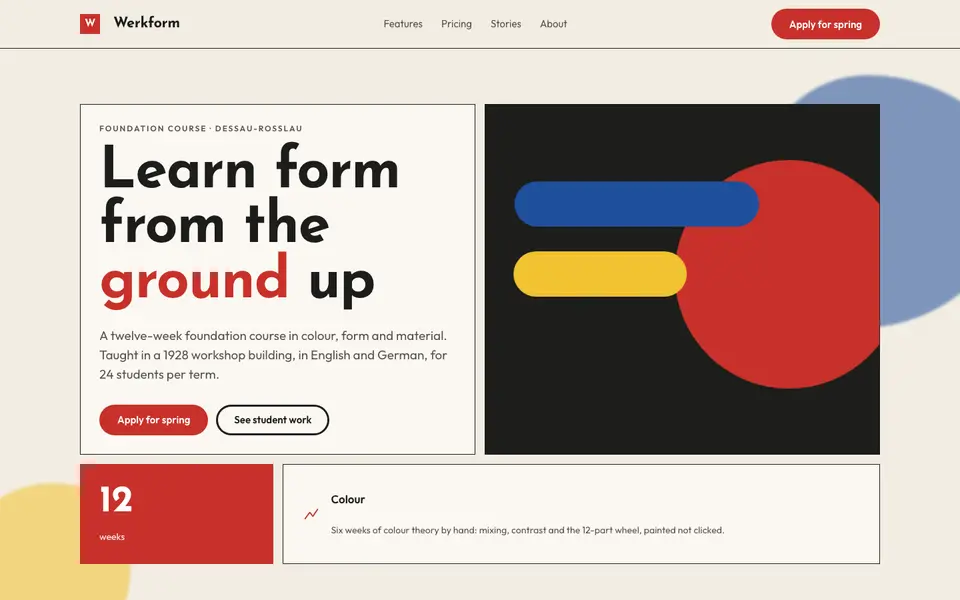
Bauhaus Primary
No. 051Bauhaus workshop primaries: circle, square, triangle in red, yellow and blue on bone.
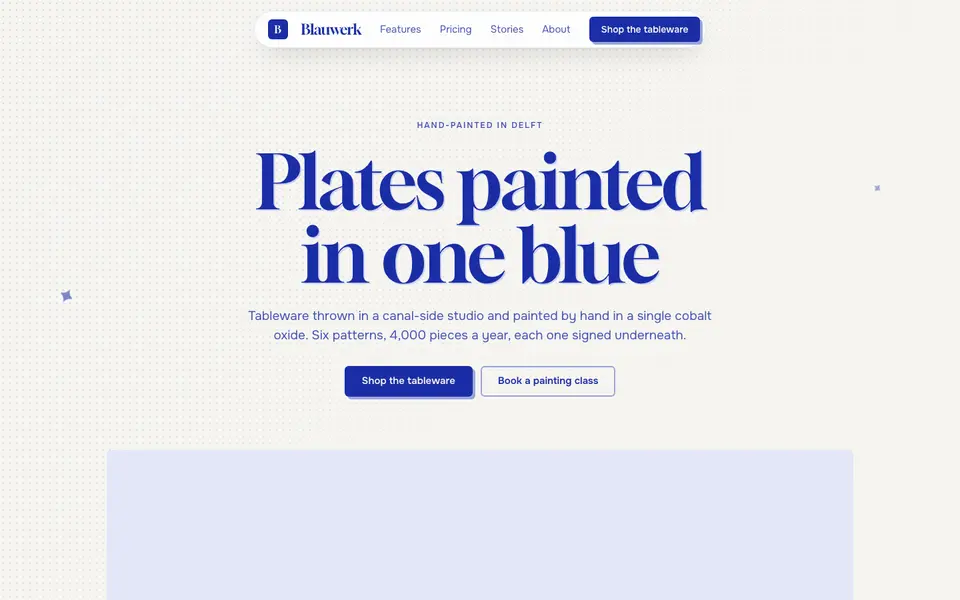
Cobalt Ink
No. 052One ink only: every line, word and shape printed in cobalt blue on bright paper.
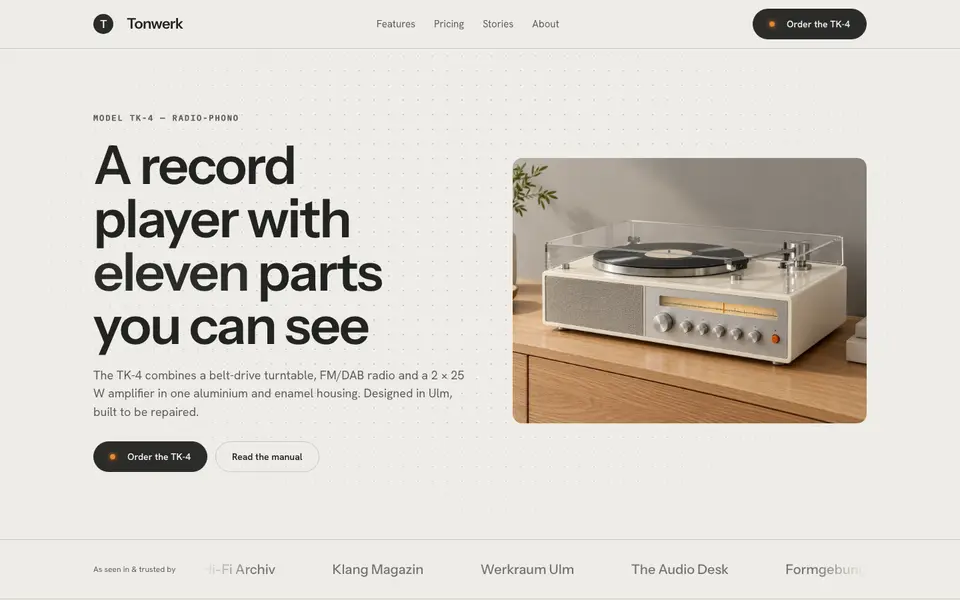
Functionalist Sixties
No. 0531960s functionalist hardware: warm white housings, one orange switch, a grid of controls.